Dear friends,
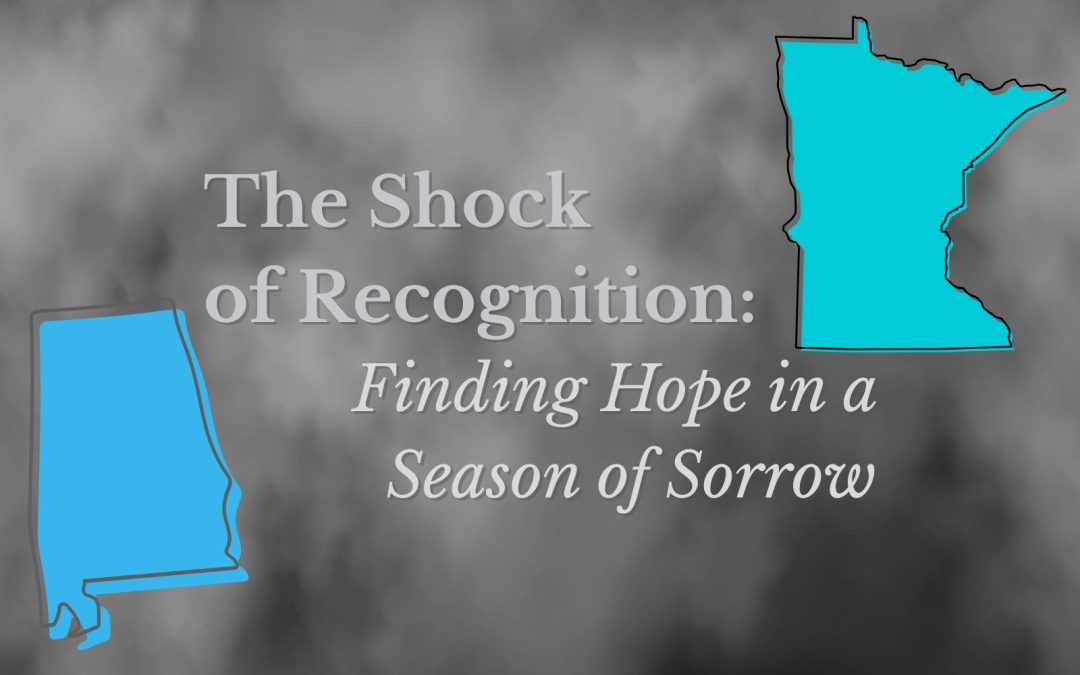
In the quiet moments before dawn, or in the sudden silence after turning off the churning news cycle, I have found myself wrestling with a profound heaviness these past few weeks. I know I am not alone in this. Our shared hearts are bruised. The recent tragic events in Minneapolis—the brutal killings of protesters whose only weapon was their voice—have cast a long, dark shadow across our national landscape.
As Unitarian Universalists, we are called by our values to affirm and promote the inherent worth and dignity of every person. When that dignity is violently violated, especially by those entrusted with public authority, it is not just a political crisis; it is a spiritual wound. We are forced to confront the agonizing gap between the world as it is and the beloved community we envision.
For years now, I will confess to you, my own well of hope had been running dry. We live in an era defined by staggering divisiveness. Our political discourse has often devolved into tribal warfare, where empathy is reserved only for those who wear the same ideological jersey. We have witnessed, time and again, heinous acts and systemic violence perpetrated by our government or its agents, both at home and abroad. Too often, these atrocities are met with a predictable societal script: outrage from one side, justification or indifference from the other, followed by a swift return to the status quo. The capacity of the American population at large to truly feel the pain of “the other” seemed atrophied, perhaps irreparably damaged by fear and polarization.
I had begun to accept a cynical truth: that we were too fragmented to ever truly see one another again.
And then came Minneapolis.
Something about the specificity of this tragedy, the raw and undeniable visual evidence of the brutality laid bare before the nation, seemed to short-circuit our usual partisan defense mechanisms. It wasn’t an abstraction of policy. It wasn’t a partisan talking point. It was human beings— a mother and an ICU nurse—extinguished on camera.
The reverberations were different this time. The usual spin didn’t stick. The cries of justification rang hollow against the sheer weight of the visual reality. For the first time in a very long time, it felt as though the nation’s conscience wasn’t just pricked; it was pierced. People who had previously remained on the sidelines of social justice conversations found themselves unable to look away, sickened not by the politics of the protesters, but by the inhumanity of their treatment.
In processing this unexpected shift in the national mood, my mind has traveled back to a pivotal moment in our history, one that holds up a mirror to our current crisis.
In May of 1963, the civil rights movement in Birmingham, Alabama, was stalling. The adult population was weary, fearful of losing jobs or facing violence. In a desperate move, organizers launched the “Children’s Crusade,” allowing young students—some as young as seven or eight—to march against segregation.
Many of us know what happened next. We have seen the grainy black-and-white footage. Public Safety Commissioner Bull Connor ordered fire hoses, powerful enough to strip bark from trees, turned on the children. Police dogs were unleashed on peaceful young demonstrators.
When those images were beamed into living rooms across America on the nightly news, something broke. It was the shock of recognition. A suburban family in Ohio, perhaps far removed from the realities of Jim Crow, could no longer view segregation as an abstract political debate. They saw children—children just like their own—being assaulted by grown men in uniform.
The horror of Birmingham transcended politics. It bypassed the brain’s logical defenses and struck directly at the heart. It reminded a segregated nation of a shared humanity that no law could erase. That moment of collective revulsion was a turning point, accelerating the push for the Civil Rights Act of 1964. It proved that even in a deeply divided society, there is a baseline of moral decency that, when violated violently and visibly, can awaken a dormant conscience.
I believe we are experiencing a similar “Birmingham moment” right now. The tragedy in Minneapolis has served as a grim catalyst. The overwhelming, human reaction we are seeing—the grief that crosses party lines, the refusal to accept this violence as normal—is testimony that the ember of empathy has not been entirely extinguished in this country.
This realization has brought me an unexpected, fragile sense of hope. It is not a joyful hope, born of naivety. It is a gritty, hard-won hope born of sorrow. It is the hope that comes from realizing that despite all efforts to divide us, the recognition of another person’s suffering is still a potent force in human affairs.
As UUs, what do we do with this flickering hope? We must guard it, feed it, and act upon it. We must not let this moment pass as merely another cycle of outrage. We must use this awakened national consciousness to push for systemic changes that honor the inherent worth of every life. We must be the spaces where people can process this trauma and convert their newfound empathy into sustained action.
The road ahead is still incredibly long. The systems that allowed Minneapolis to happen are deep-rooted. But I no longer believe the road is a dead end. When we see each other—truly see each other, through the fog of politics and fear—everything becomes possible again. Let us hold fast to that vision, and to one another.
In Faith and Solidarity,
Will